
Services / Third party inspection
Third party inspection services for equipment and products
Independent inspectors check your supplier's work at the factory, from production checks to witnessing tests, so you know what you are buying before it ships.
From $1,500Inspection through partners
- Accredited by IAB and INTAQS
- Issuing certificates since 2004
- Online or on-site audits worldwide
- Verify any EUROTECH certificate
What third party inspection covers
Third party inspection means an independent inspector, working for neither the buyer nor the supplier, checks goods or equipment against the purchase order, drawings, specifications and agreed standards. It gives buyers evidence before they pay, ship or install, and gives suppliers an independent record that they delivered what was ordered.
Inspections are used in two broad areas. For industrial equipment and materials, such as pressure vessels, piping, steel structures, valves, pumps and electrical panels, inspectors review documents and witness key steps during manufacture. For consumer and industrial products made in series, such as textiles, furniture, electronics, tools and household goods, inspectors check quality at set stages of production against agreed criteria.
Each inspection ends with a written report, with photos and measurements, that states what was checked, what was found and whether the results met the agreed criteria.
- Pre-production inspection of materials and components
- During-production inspection of first output and processes
- Witness of factory acceptance tests, pressure tests and performance tests
- Review of material certificates, welding records and NDT reports
- Final inspection before shipment, with sampling where applicable
- Inspection reports with photos, measurements and clear results
The inspector works to your criteria. A good inspection starts with clear acceptance rules: tolerances, defect definitions, required tests and the documents the supplier must provide. Where these are missing, we help you put them on paper before the first visit.
Inspection types compared
A pre-production inspection checks raw materials, components and the readiness of the factory before mass production starts. It is the cheapest point to catch problems, because nothing has been built yet.
A during-production inspection checks the first finished units and the processes producing them, usually when a share of the order is complete. It finds systematic defects while there is still time to correct the rest of the order.
Vendor inspection for engineered equipment follows an inspection and test plan agreed between buyer and supplier, with hold points the inspector must attend, such as material identification, weld inspection, hydrostatic tests and final dimensional checks.
A final inspection checks finished goods before shipment. For series products this is often a random sample inspection, which we describe on our pre-shipment inspection page.
Document reviews can be done without a factory visit in some cases, for example checking material certificates, test reports and dossiers before shipment. They cost less but cannot replace seeing the goods when the risk is high.
What decides the price
Third party inspection with EUROTECH starts at $1,500. Your written quote shows exactly what is included for each visit.
- Type of inspection: production check, witness test or document review
- Number of inspector days and visits
- Location of the factory and travel
- Technical specialism required, such as welding or electrical inspection
- Report format and any specific client templates
Recurring inspection programmes for regular orders are usually planned as a schedule of visits, which makes each visit more efficient.
Clear purchase specifications lower cost too: inspectors work faster and give clearer results when the acceptance criteria are written down before the visit.
Inspections that need specialist skills, such as certified welding inspectors or electrical test engineers, usually cost more per day than general product inspections.
Reports can follow your own template if you prefer, which helps when several suppliers are compared.
How Third party inspection works with us
Step 1
Booking and checklist
We agree the inspection type, checklist and date with you and the supplier.
Step 2
Sampling
The inspector checks materials, products or equipment against the agreed criteria.
Step 3
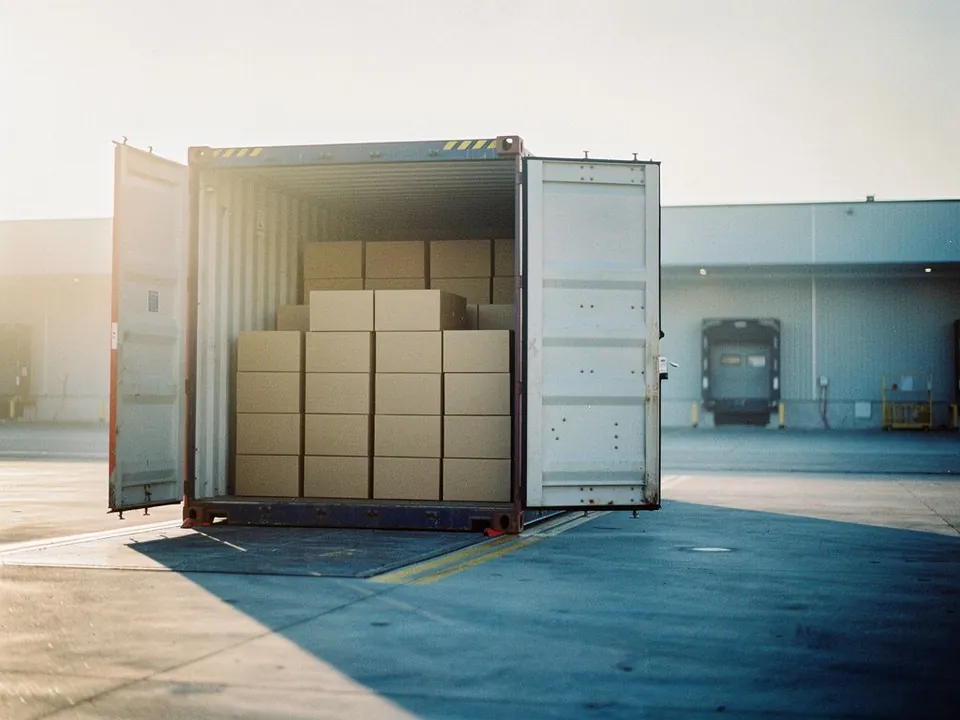
Loading supervision
Where needed, loading and packing are checked before the goods leave.
Step 4
Report and release
You receive a report with photos and results to decide on release.
Factories in many countries
We arrange inspections for buyers in the USA, Europe, Asia and Africa, at factories in the main manufacturing regions. Local inspectors who speak the language of the factory make visits smoother and reduce misunderstandings on site.
Standards and practices differ between manufacturing countries. A factory may build to a local standard by habit when the order calls for a European or American one. Inspection checks the order requirements, not local habits, and the report states any differences clearly.
Public holidays, production seasons and travel times differ by region, so we plan inspection dates with the supplier well ahead, especially for witness points that must not be missed.
Regional regulations may also matter. Equipment built for Europe may need CE documentation, and pressure equipment may need inspection by a notified body; a third party inspection does not replace these legal steps but can check that the documents are ready.
Remote factories may need longer travel, which is planned into the visit and the quote.
What to expect from an inspection
Before the visit we collect your purchase order, specifications, drawings, the agreed inspection and test plan or checklist, and any reference samples. The inspector confirms the date with the factory.
On site, the inspector checks the items against the agreed criteria: dimensions, materials and markings, workmanship, function, documents and packaging, and witnesses tests where planned. Measurements and photos are recorded as evidence.
If the inspector finds problems, the report describes them with photos and, where useful, measurements, so the supplier understands exactly what to fix. Urgent issues, such as a failed pressure test, are reported to you on the day.
Safety rules apply on factory visits. Inspectors follow the site safety rules and need access to the areas and equipment named in the checklist, so confirm access arrangements with the supplier in advance.
The report is sent to you after the visit, normally with a clear result such as pass, fail or pending, and a list of nonconformities. Decisions on acceptance, rework or rejection remain yours under your contract with the supplier.
After the inspection
Use inspection results to manage suppliers over time. Repeated findings at one supplier point to process problems that should be raised in supplier reviews, while consistent passes may allow a lighter inspection plan.
Where an inspection fails, a re-inspection after rework confirms that problems were fixed before shipment. Agree in your purchase terms who pays for re-inspections, since this keeps responsibility clear.
Keep inspection reports with purchase and shipping records. They are useful evidence if a warranty claim, insurance claim or customer complaint arises later.
A short debrief with the supplier after each inspection, focused on the main findings, often prevents the same problems in the next order.
How this service works: EUROTECH organizes the inspection and the inspection is carried out through our partner inspection organizations. You receive an independent report; acceptance of the goods remains your decision under your contract.
Questions buyers ask
How much does third party inspection cost?
With EUROTECH it starts at $1,500. Inspection type, inspector days, location, specialism and reporting set the final price.
Who carries out the inspection?
Inspectors from our partner inspection organizations. EUROTECH organizes the inspection and the report.
Does a passed inspection mean we must accept the goods?
No. The report gives independent evidence; acceptance remains your decision under your contract.
What is a witness point?
A step in manufacture, such as a pressure test, that the inspector must attend before production continues.
Can you inspect in any country?
We arrange inspections at factories in the main manufacturing regions. Tell us the location and we confirm availability.
What is the difference from pre-shipment inspection?
Third party inspection covers checks at any stage of production. Pre-shipment inspection is the final check before goods leave the factory.
Related services
- Pre-shipment inspection
From $1,500
- PED certification for pressure equipment
From $800
- ISO 9001 certification
From $800
Get a quote for Third party inspection
Tell us your company, sites and the standard you need. We reply with a written quote and the audit plan.
Prefer to talk? Call +1 307 205 1833
Monday to Friday, 09:00 to 18:00 (US Mountain Time)