
Services / Vegan certification
Vegan certification for food, cosmetics and household products
We check your products and processes against vegan requirements, prepare the evidence and arrange certification with a third-party body, so your vegan claim is backed by an independent check.
From $1,500Consultancy and third-party certification
- Accredited by IAB and INTAQS
- Issuing certificates since 2004
- Online or on-site audits worldwide
- Verify any EUROTECH certificate
What vegan certification involves and what we deliver
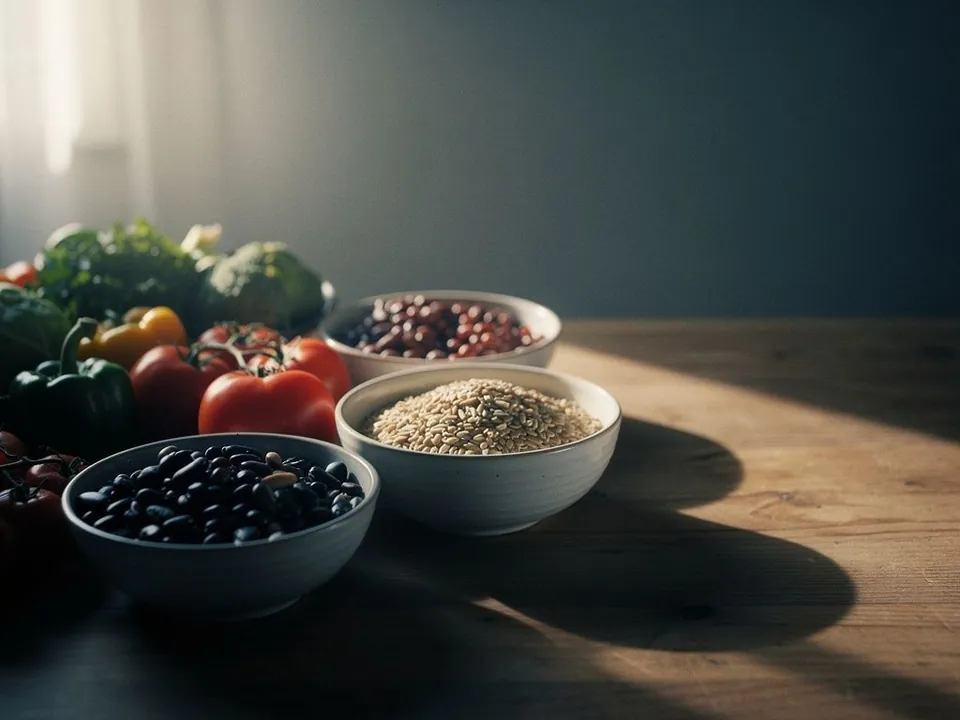
A vegan claim tells consumers that a product contains no ingredients of animal origin and that no animal-derived materials were used to make it. Retailers, marketplaces and consumers increasingly want that claim verified independently, because hidden animal-derived inputs are common and hard for shoppers to spot.
Certification looks at more than the recipe. Ingredients must be free from animal-derived materials, including less obvious ones such as gelatine, carmine, shellac, beeswax, lanolin, casein, certain vitamin D3 sources and some colours and flavourings. Processing aids, carriers and filtration agents must be checked too, for example in juices and wines clarified with animal products. For cosmetics and household products, animal testing policies are part of the assessment.
Production is reviewed for cross-contact with animal-derived materials where lines are shared, with cleaning and segregation measures appropriate to the claim.
- Choice of the vegan scheme or standard that fits your markets and customers
- Ingredient and processing aid review with supplier declarations
- Gap analysis of shared lines, cleaning, storage and labelling
- Support preparing the documentation the certification body requires
- Arrangement of certification with a third-party body
Packaging and labels are part of the review too. Some schemes look at glues, coatings or inks that contain animal-derived materials, and all schemes check that the logo is used only on approved products and in the approved form.
Which vegan certificate or label to choose
There is no single global vegan standard. Several organizations run vegan certification schemes and consumer labels, each with its own rules on ingredients, cross-contact, animal testing and use of the logo. Some are widely recognised in particular countries or retail channels.
The right choice depends on where you sell and what your customers recognise. A retailer in one country may prefer a specific label; an online marketplace may only require a verified claim. We help you choose before preparation starts, so you meet one clear set of rules.
Vegan and plant-based are not always the same claim. Plant-based is often used loosely and may allow traces or animal-derived processing aids under some definitions; vegan claims are stricter. Check the wording on your packaging against the rules of the scheme you choose.
Brands selling in several countries sometimes choose one scheme with international recognition, while others hold more than one label to suit different retail customers. We help you weigh the cost against the commercial benefit.
What decides the price
Vegan certification consultancy with EUROTECH starts at $1,500. The final price depends on your number of employees, the complexity of your processes and the scope of certification.
- Number of products and ingredients to review
- Product type: food and drink, cosmetics or household products
- Shared production with non-vegan products
- Scheme chosen and its fee structure
- Sites and whether an on-site audit is required
Some schemes charge per product and per year, others per company or site, which we show once the scheme is chosen.
Supplier declarations are often the slowest part of preparation, so we start requesting them early.
Ranges with many similar products can often be reviewed together, which keeps the cost per product lower.
How Vegan certification works with us

Step 1
Gap analysis
We choose the scheme with you and review ingredients, processing aids and processes.
Step 2
Prerequisite programmes
We help set up segregation, cleaning and supplier declaration controls.

Step 3
Certification audit
The certification body reviews documents and, where required, audits the site.
Step 4
Ongoing compliance
We help you control recipe and supplier changes and renew each year.
Consumer law and claims by market
We support producers in the USA, Europe, Asia and Africa. Food and cosmetic labelling laws require claims to be truthful and not misleading, and authorities in several countries have taken action against vegan claims that turned out to be wrong. An independent check reduces that risk.
Rules on animal testing for cosmetics also differ by market. The European Union bans animal testing for cosmetics and the sale of cosmetics tested on animals in breach of that ban, while other markets have their own requirements. For cosmetic brands, the vegan claim and the animal testing position must be consistent across markets.
Allergen labelling is separate from vegan claims: a vegan product made on a line that also handles milk or egg may still need a precautionary allergen statement under food law.
Claims in marketing materials and online listings must match the certified products. Authorities and platforms increasingly check that a vegan claim on a website or marketplace refers to a certified product with a valid certificate.
Some retailers also run their own vegan claim checks on top of certification, which we take into account when choosing the scheme.
What to expect during certification
Most schemes start with a document review: recipes, full ingredient specifications, supplier declarations on animal-derived materials and processing aids, cleaning procedures for shared lines and packaging artwork. Some schemes add an on-site audit to check segregation and cleaning in practice.
Expect questions on less visible inputs, such as the source of vitamins, the carriers of flavourings and colours, filtration aids and the composition of packaging adhesives or coatings where the scheme covers them. Gaps usually appear in supplier documentation, not in the recipe itself.
Private label manufacturers should agree with each brand owner who holds the certificate and the label licence, since the scheme rules may treat the brand owner and the manufacturer differently.
Where an on-site audit is part of the scheme, expect the auditor to check storage of non-vegan materials, line cleaning records between runs and how labels are controlled on the packing line.
When the review is complete and any issues are resolved, the certification body or scheme owner issues the certificate and approves the use of the label on the agreed products.
Keeping the certificate
Vegan certification is usually renewed each year. Any change in recipe, ingredient supplier or production site must be checked against the scheme before it is used, because a new supplier of the same ingredient may use different processing aids.
Keep supplier declarations current, train purchasing and production staff on the rules, and review new packaging artwork before printing to make sure the label is used only on approved products.
Keep a simple product register that shows which products are certified, which label they carry and when they were last reviewed.
Check marketing copy and online listings against the certified product list whenever new products are launched.
How this service works: EUROTECH provides the consultancy. Vegan certification is issued by a third-party certification body we work with. Consumer vegan labels are owned by their scheme owners and are used under their own rules.
Questions buyers ask
How much does vegan certification cost?
Our consultancy starts at $1,500. Products, ingredients, product type, shared production, scheme and sites set the final price.
Is there one global vegan standard?
No. Several organizations run vegan schemes and labels with their own rules. We help you choose the one your markets recognise.
Who issues the vegan certificate?
A third-party certification body or scheme owner. EUROTECH provides the consultancy and arranges certification.
Can a vegan product be made on a shared line?
Often yes, with cleaning and segregation measures that meet the scheme rules. Allergen labelling under food law may still apply.
Does vegan certification cover animal testing?
For cosmetics and household products most schemes include animal testing requirements.
How often is vegan certification renewed?
Usually every year, with any recipe or supplier change checked before use.
Related services
- Halal certification
From $1,500
- ISO 22716 cosmetics GMP
From $800
- GMP certification
From $1,500
Get a quote for Vegan certification
Tell us your company, sites and the standard you need. We reply with a written quote and the audit plan.
Prefer to talk? Call +1 307 205 1833
Monday to Friday, 09:00 to 18:00 (US Mountain Time)